We’re full before May 1. Rebate drops after that — but we’re still installing and the numbers still work. Book in and we’ll lock in your spot.
Lock in your install date →


Verified accreditations

CEC Accredited
A929 4580
Lic. Electrical Contractor
#80 334
Master Electricians
Fully Insured
G
4.9 on Google
200+ reviews
🇦🇺
Aussie Owned
Brisbane Since 2014
What brings you here today?

We handle every part
of the solar journey.

Whether you’re getting solar for the first time, dealing with a fault, adding battery storage, or chasing a warranty, pick where you’re at and we’ll take you straight there.

Our services

Everything we do, and how we do it.


What’s included in a CK ESA installation

From site assessment through to grid approval, monitoring setup and rebate processing. We handle every part. You don’t need to chase anyone or fill in government forms.

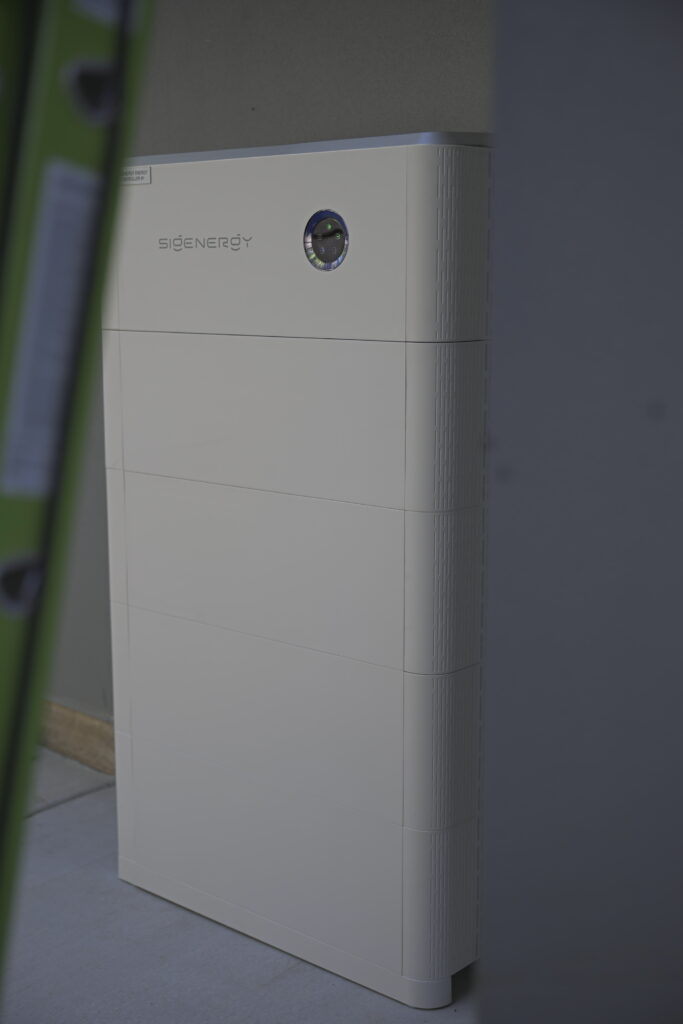
What we supply and install

Premium N-type solar panels with 25-year product and performance warranty
Hybrid or string inverter sized to your roof array (AS 4777.2 certified)
Mounting system, conduit and all wiring to AS/NZS standards
Energex grid connection application, lodged and managed by us
STC government rebate processing, deducted directly from your invoice
Monitoring app setup and a full walkthrough before we leave
Certificate of Electrical Safety and all compliance documentation

How we size your system

A rough rule: divide your quarterly kWh by 90 to get daily usage, then allow roughly 1 kW of solar per 4–5 kWh of daily use. A 20 kWh/day home typically needs a 6–10 kW system depending on roof and location. We calculate this precisely at your home visit using your actual bills and roof orientation, not a Brisbane average.

STC rebate: The government Small-scale Technology Certificate scheme currently reduces your cost by $2,000–$5,000+ depending on system size. We process this on your behalf. It comes straight off the invoice before you pay a cent.

What to prepare before install day

Access to your roof and main switchboard (we’ll confirm before arriving)
Pets secured and a clear path through the house if needed
That’s it. We handle everything else

Typical installation timeline

Week 1
Free home assessment
We look at the roof, pull up your bills, design your system and show you projected savings. No obligation.
Week 1–2
Approvals lodged
CEC design sign-off, Energex application and STCs registered on your behalf.
Install day
Our crew, one day
On site by 7:30am. Most residential jobs done by 4pm. We clean up before we leave.
2–4 weeks
Smart meter + go live
Energex installs your export meter. System goes live. You start earning feed-in credits.

Signs your system needs attention

If any of these are happening, your system isn’t performing as it should. We service all brands and all ages. If you didn’t buy from us, we’ll still come out, diagnose it honestly, and tell you what it’ll cost before we touch anything.

📱

Zero or low generation

App shows nothing, or far less than usual, when the sun is up. Could be inverter fault, string issue or grid disconnect.

⚠️

Inverter error codes

Fault lights, flashing displays or error codes (F01, Err, ISO, etc.) need a proper diagnosis. Not a Google search.

Breakers tripping

Solar AC isolator or breaker repeatedly tripping suggests a wiring fault, isolation issue or failed component.

📉

Gradual output decline

Generation slowly dropping over months could be soiling, shading, cell degradation or a failing inverter.

🌩️

Storm / hail damage

Physical damage to panels or inverter after severe weather. We can help with insurer reports and replacement quotes.

🔥

Hot spots or burn marks

Visible discolouration, burn marks or cracked cells on panels are a safety issue. Get them inspected immediately.

We service all brands and systems, regardless of who installed them or how old they are. No brand loyalty, no upsell. We’ll tell you honestly whether it’s worth repairing or replacing.

Our repair process

01

Remote check

We review your monitoring data first, often identifying the fault before visiting.

02

Site inspection

Onsite testing of panels, inverter and wiring. Full electrical safety check included.

03

Written quote

Cost confirmed in writing before any repair work starts. No surprises.

04

Repair + certify

We fix it, confirm generation in the monitoring app, and issue a Certificate of Electrical Safety.

Why the export / import gap is the whole argument

If your feed-in tariff is lower than your import rate, which it is for almost everyone in Queensland right now, you’re selling cheap and buying expensive. Every unit you generate and don’t use immediately gets sold for a fraction of what you’ll pay for it back tonight. A battery closes that gap.

Will a battery work with my existing system?

It depends on your inverter type. At the home assessment we’ll check this immediately.

DC-coupled (hybrid inverter)

Best efficiency

Battery connects before the inverter. One conversion path. If your inverter is battery-ready, this is usually the right choice.

AC-coupled (any inverter)

Works with existing setups

Battery adds its own inverter on the AC side. Slightly less efficient but works with almost any existing solar system.

How much battery do I need?

Start with your evening usage, roughly 40–60% of your daily total. A household using 20 kWh/day typically needs 8–12 kWh of usable capacity to cover overnight without grid imports. We size this against your actual bills, not a generic calculator.

What battery storage actually gives you

Blackout protection: automatic switchover when the grid drops. Most people don’t notice until the neighbours knock
Use what you generate overnight instead of buying it back at 30–36¢
VPP (Virtual Power Plant) eligibility: earn credits by sharing stored energy during peak grid events
LFP battery chemistry: lithium iron phosphate, more thermally stable in Queensland heat than standard lithium-ion
Scalable systems: start with one module, add more later as budget allows

Typical payback: A battery system typically pays back in 6–10 years depending on usage, tariff and FiT rate. We’ll model this against your actual bills at the home visit, not a Brisbane average.

Find out what battery suits your home →

Battery quick-sizing guide

Small household
5–7 kWh
10–14 kWh/day usage · covers most evenings
Average household
10–13 kWh
15–25 kWh/day usage · overnight + morning covered
Large household / EV
15–25 kWh
25+ kWh/day · near-zero grid dependency

These are starting points. We size against your actual usage at the home visit.

Understanding your solar warranty

There are three distinct types of warranty on a solar system. Knowing the difference matters when something goes wrong, and who you should be calling first.

📋

Product Warranty

Covers manufacturing defects in the panel, inverter or battery. Panels: typically 25 years. Inverters: 5–10 years. Batteries: 10 years. Your installer acts as the first point of contact with the manufacturer.

📊

Performance Warranty

Guarantees a minimum output over time, typically 80–90% of rated output at year 25. If your panels are degrading faster than spec, this covers replacement or compensation.

🔨

Workmanship Warranty

Covers how the system was installed: wiring, mounting, penetrations, connections. This comes from your installer, not the manufacturer. We stand behind ours indefinitely on structural faults.

What’s covered, and what’s not

✓ Typically covered
Manufacturing defects in panels, inverter or battery
Performance below warranty threshold
Wiring or mounting faults from the original install
Component failure within warranty period
✗ Usually not covered
Storm damage, flood, fire (home insurance covers this)
Damage from unauthorised modifications
Normal soiling or dust accumulation
Degradation within stated spec (e.g. 0.5%/year)
My original installer has closed down. We’ve taken over warranty and maintenance for a number of systems whose installer is no longer operating. Contact us with your system details and install date. We’ll assess what options are available.

How to make a claim with us

01

Contact us first

Call or fill in the form below. Have your install date and invoice handy if possible.

02

We assess

Remote check or site visit depending on the fault. We determine whether it’s workmanship, product or neither.

03

We liaise

If it’s a product fault, we contact the manufacturer on your behalf. You shouldn’t have to chase anyone.

How it works

What actually happens
when the sun hits your roof.

Three components, one goal: generate power, use it yourself, and only touch the grid on your terms.

1. Panels generate

Solar panels convert sunlight into DC electricity. N-type cells are more efficient and degrade less in Queensland heat than older P-type panels.

2. Inverter converts

The inverter turns DC into the AC power your home runs on. A hybrid inverter also manages the battery, charging it when you have surplus and drawing from it when you don’t.

3. You use it first

Your home draws from solar before touching the grid. Surplus charges the battery. Once the battery’s full, excess is exported at the feed-in rate.

4. Battery covers night

After dark, the battery discharges into your home. A well-sized system means most households barely touch the grid at night, and their next bill reflects it.

~77%
of a solar+battery home’s power comes from its own roof on an average Brisbane day
4.8 hrs
average peak sun hours per day in Brisbane, among the best conditions in Australia
25 yrs
typical panel performance warranty, saving on bills long after the system’s paid for itself
What it actually does to your bill

Here’s what it looks like on
a real Brisbane home.

Based on 1,500 kWh a quarter, pretty much the Brisbane average. The gap between the three columns is what tells you whether solar makes sense for your place.

Grid power (you pay 30¢/kWh)

Solar used directly (free)

Battery, stored overnight (free)

Excess solar exported (8¢ back)

Right now, no solar
100% dependent on the grid. Every unit costs 30¢, day or night.
Grid power100%
Solar used directly
Battery overnight
~$450
quarterly electricity bill
Solar panels only
You use solar during the day. At night you’re back on the grid at 30¢. Unused solar exports at 8¢, which is a poor trade.
Grid power65%
Solar used directly35%
Exported at 8¢/kWh~40% of gen
~$160
quarterly bill, saving $290/qtr
Recommended
Solar + battery
Store what you generate and use it overnight. You stop buying back at 30¢ power you already own at 0¢.
Grid power20%
Solar used directly45%
Battery overnight35%
~$38
quarterly bill, saving $412/qtr
80%
of your power from your own roof, not the grid
$1,650
average annual saving on a 10kW system with battery
6–9yr
typical payback for a Brisbane solar + battery install
25yr
panel warranty, saving long after you’ve paid it off
These figures are based on Brisbane’s average 1,500 kWh/quarter, a 30¢ grid rate, 8¢ feed-in, and 4.2 kWh/kW/day solar yield (SolarQuotes Brisbane data), 10kW system with 10kWh battery. Your roof, usage and orientation change the result. That’s what we figure out at the home visit.
Get your free home assessment →

No charge · No obligation · We work off your actual bills and roof, not averages

Run your own numbers

See what your home
would actually save.

Put your own usage in and get a real estimate, not a Brisbane average.

Queensland Solar & Battery Calculator

Discover the right solar and battery system for your home — with accurate costs, savings, and payback estimates

1
Your Bill
2
Your Home
3
Your Goals
4
Results

Your Electricity Bill

Have your latest bill handy — the more accurate your inputs, the better your estimate.

📋 Where to find these numbers: Look for "Daily average usage (kWh)" or divide total kWh by billing days. Rates are on your bill under "Pricing" or "Rate Details".
Typical QLD home: 14–26 kWh/day. Add 8–12 kWh/day if you charge an EV at home.

About Your Property

Your location and roof affect how much energy your panels will generate.

QLD averages 4.7–5.5 peak sun hours/day — one of Australia's best solar states.

Your Energy Goals & Preferences

Tell us your priorities and preferred brands for a tailored recommendation.

Calculating your personalised recommendation...

Step 1 of 3

⚠️ Estimates only. Prices, tariffs, savings and STC rebates are indicative for 2025–2026 and vary by installer, location and market conditions. All solar installations must be performed by a CEC-accredited installer. Retailer rates are sourced from publicly available data — always verify with your retailer. Feed-in tariffs subject to change without notice.

Real results

“My last power bill was $38. I actually took a photo of it because I couldn’t believe it. The guys were on time, cleaned everything up, and went through the whole system before they left. Best money I’ve spent on this house.”

Steve M.
Morningside · 13.3kW solar + battery
$38
last quarterly bill
★★★★★

“Brisbane storms knocked out our street for 36 hours. We had power the whole time. Neighbours were at our door asking to charge their phones.”

Jamie McC.
Kenmore, QLD
Blackout-proof ✓
★★★★★

“Got three quotes. CK ESA weren’t the cheapest, but they were the only ones who could explain what was actually going on my roof. 18 months later, zero regrets.”

Pavan G.
Carindale, QLD
~$1,840/yr saved
★★★★★

“They came out, found a fault another company had missed for two years, fixed it same day and explained everything clearly. Honest and thorough.”

Tony R.
Paddington, QLD
Repair ✓
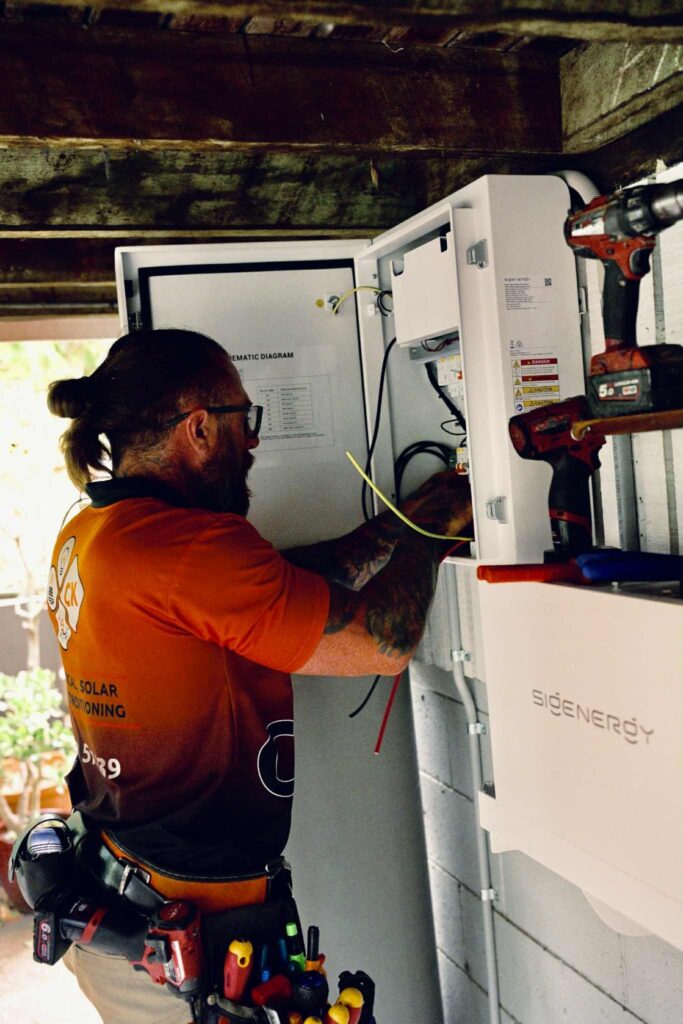
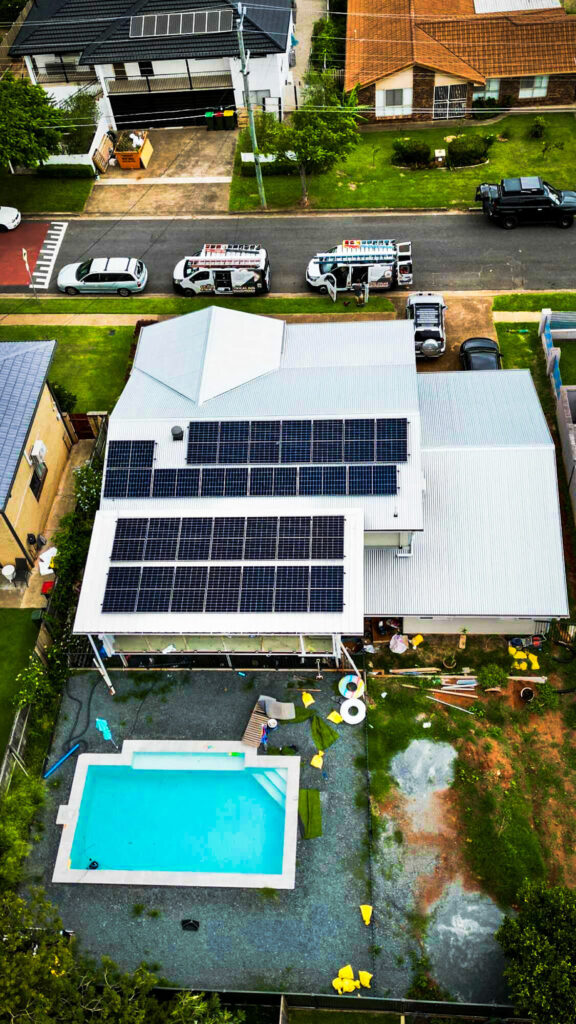
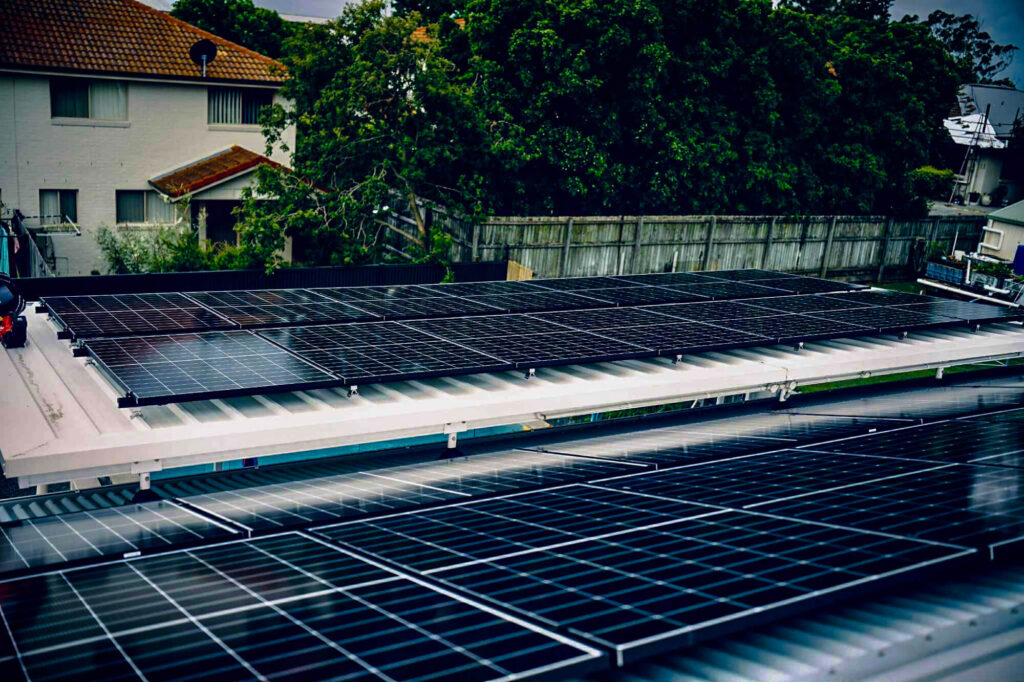
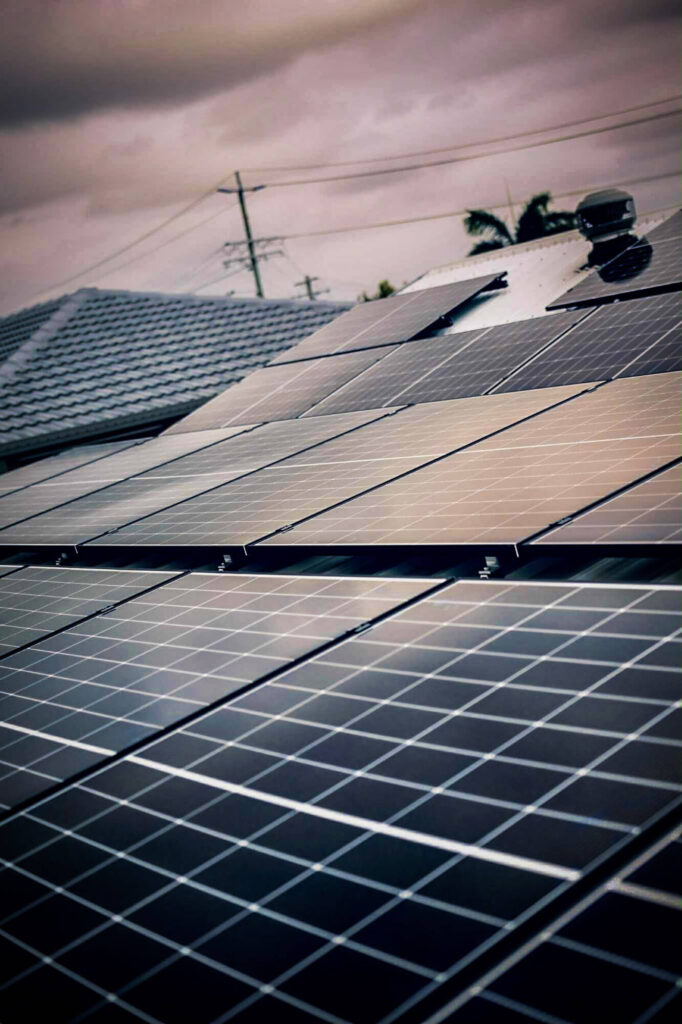
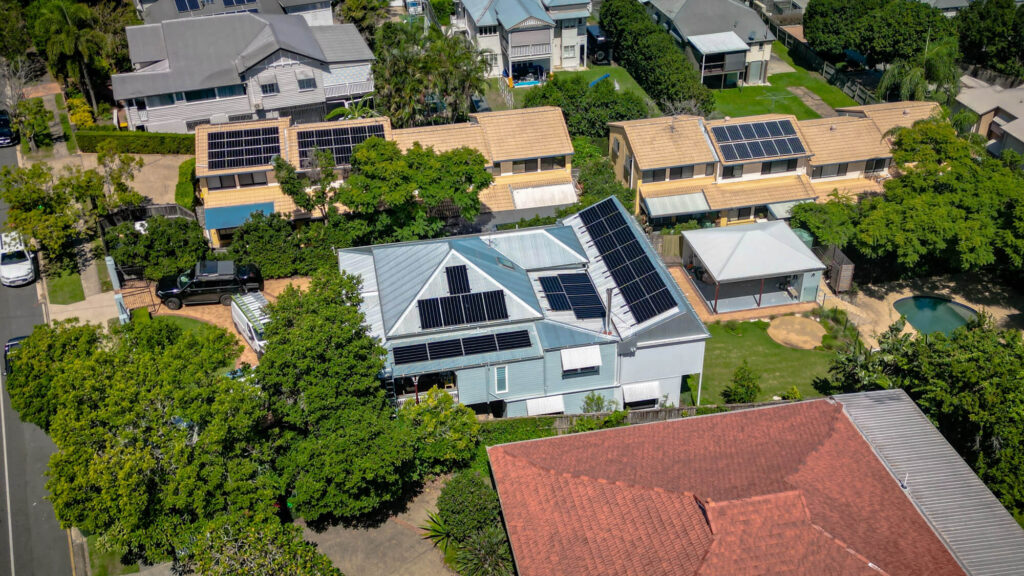
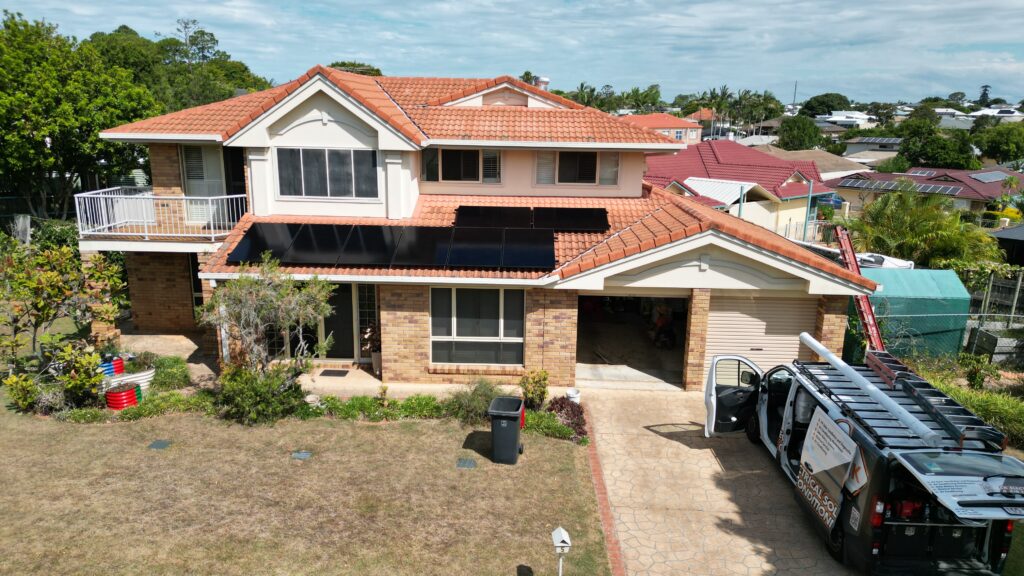
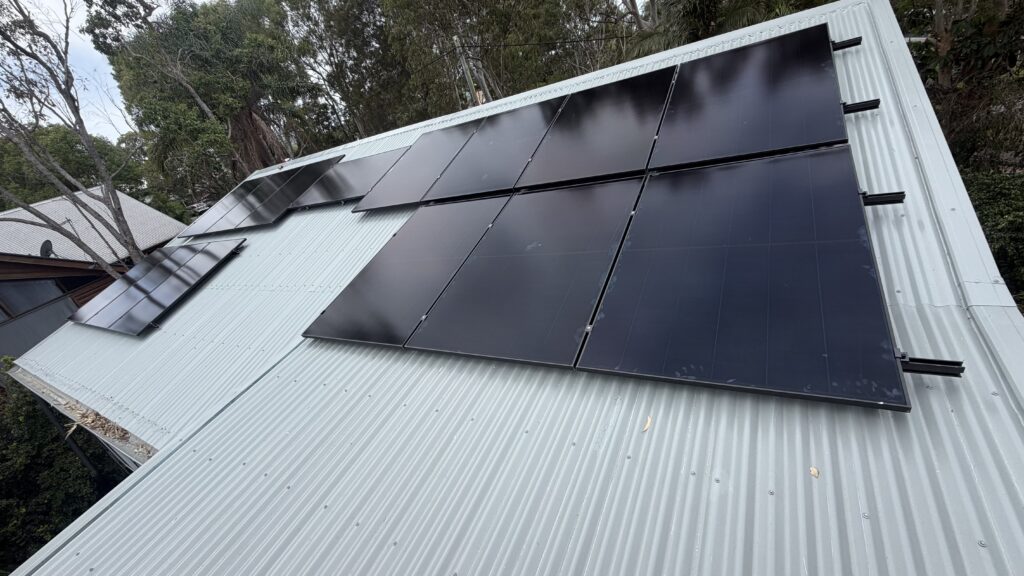
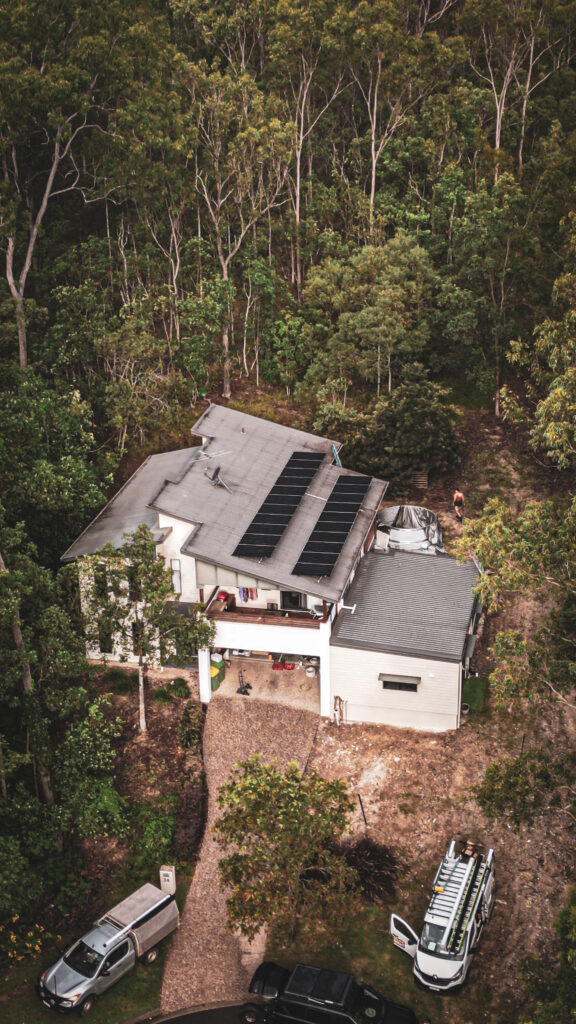
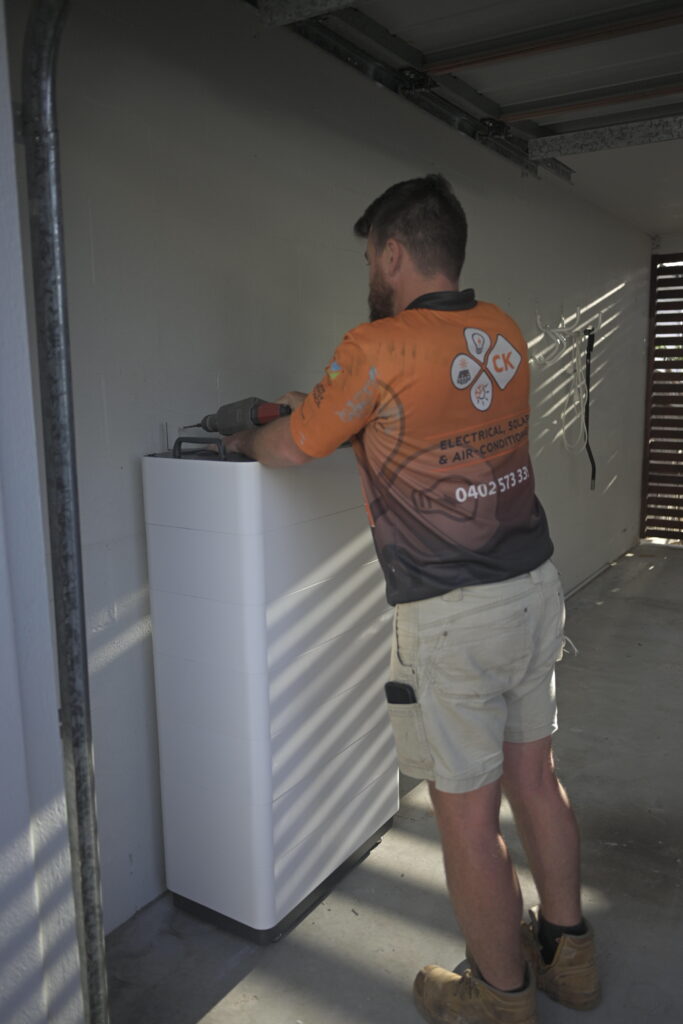
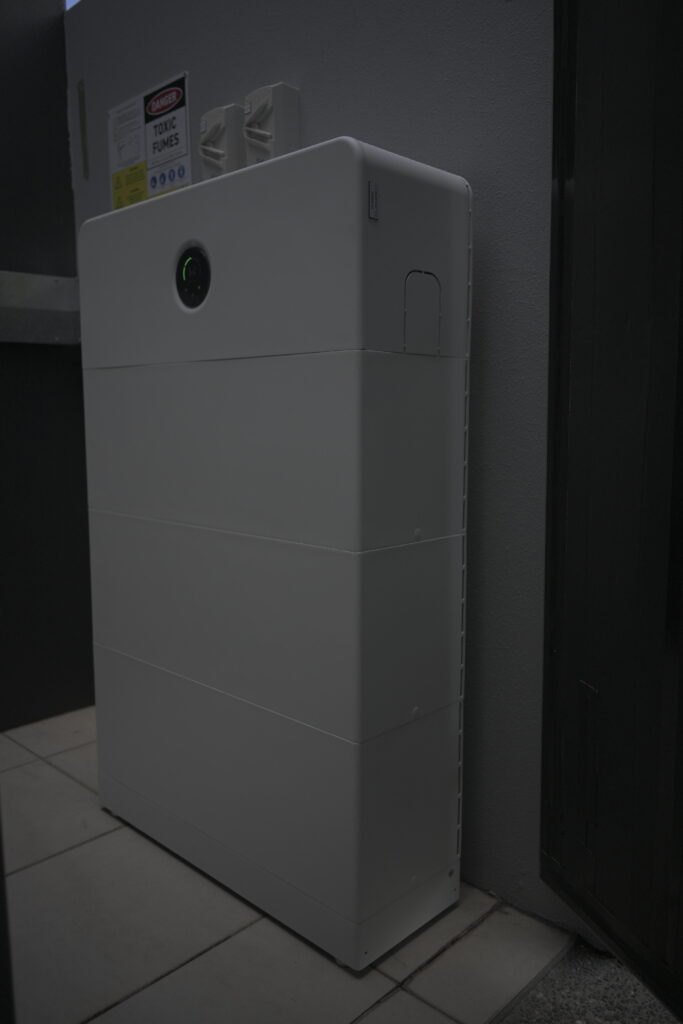
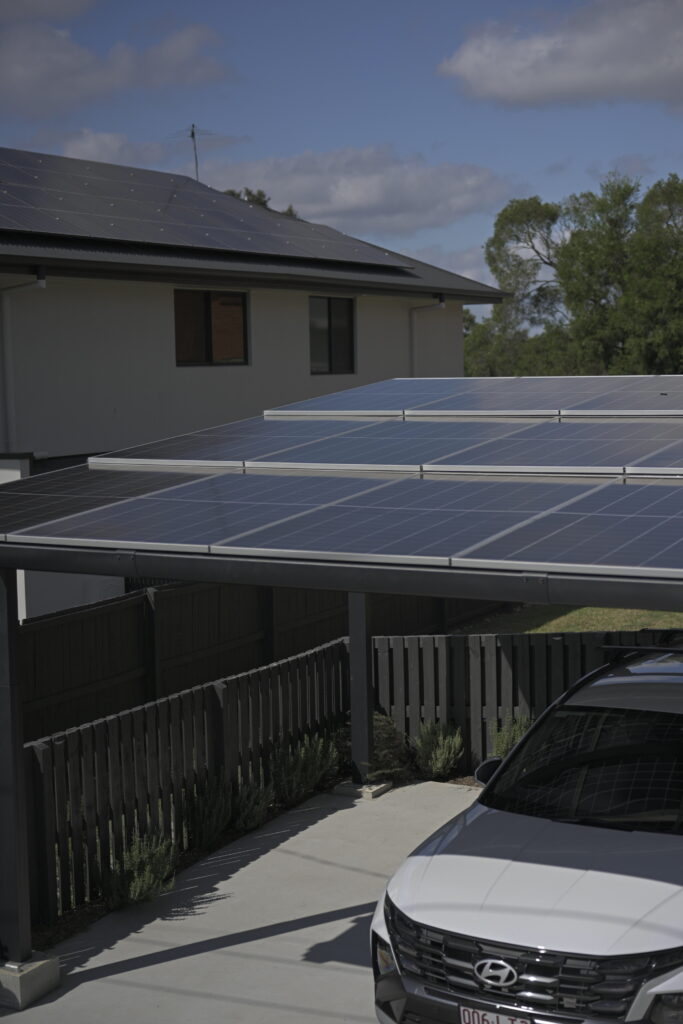
Jobs we’ve actually done

Every one of these is a real install.
Real home, our crew, no renders.

We take photos at every job. These are a few of them.

What to expect

What happens when
you fill in the form.

Chase or Kahlin picks up the phone, not a call centre. Here’s what the next few weeks look like.

01

We call you back

Chase or Kahlin, one of the two owners. A quick 10-minute conversation about your usage, your roof and what you’re trying to solve. No pitch.

02

Free home assessment

We come out, look at the roof, pull up your bills and design a system around your actual usage. You’ll see the projected savings before we ask you for anything.

03

Same crew installs it

The people who quoted your job are the ones on your roof. No subcontractors. Most homes are done in a day. We’re finished and gone before dinner.

04

Live. We handle the paperwork

We commission the system, set up the monitoring app on your phone, and lodge everything with the grid and rebate programs. You don’t chase anything.

Buyer’s guide

What to look for before
you sign anything.

We’ve seen the shortcuts other companies take. Here’s what separates a system that earns its money from one that causes headaches.

Solar Panels
CEC approved product list. Non-negotiable. Unapproved panels void your STC rebate.
N-type cell technology: more efficient, lower heat degradation, better shade performance than older P-type panels.
25-year product warranty, covering manufacturing defects, not just output decline.
Positive power tolerance: panels should be rated at or above their stated wattage.
Australian distributor: if the manufacturer has no local presence, warranty claims are your problem.
Inverters
AS 4777.2 certified: mandatory for Australian grid connection. No certification means not legally installable.
Minimum 5-year warranty. 10 years is the standard to expect from a quality inverter.
Remote firmware updates: grid requirements change. Your inverter should be able to update without a site visit.
Monitoring app with generation, consumption and export, not just generation. You want to see the full picture.
Battery-ready: even if you’re not adding storage now, a hybrid inverter makes adding it later far cheaper.
Battery Storage
LFP chemistry (Lithium Iron Phosphate): thermally stable in Queensland heat, longer cycle life than standard lithium-ion.
3,000+ cycle life: at 1 cycle per day, that’s 8+ years before meaningful degradation.
10-year warranty, with a stated capacity retention guarantee (usually 70–80% at end of warranty).
UL or UN38.3 certified: safety certifications that matter in a Queensland summer.
Scalable modules: start with what fits your budget. A modular system lets you expand without replacing anything.
The Installer
CEC Accreditation: verify it at solar.org.au. Without this, your install won’t receive the STC rebate.
Queensland Electrical Contractor Licence: verify at QBCC. Unlicensed work is illegal and your insurer may not cover it.
Own crew, not subcontractors. Ask directly. Many solar companies are sales operations with hired crews.
Workmanship warranty in writing: if they won’t put it in the contract, that tells you something.
Local reviews, verifiable. Not just a website testimonial. Google reviews with photos and suburb names.
The easiest way to check an installer’s credentials

CEC accreditation is publicly searchable at solar.org.au/find-an-installer. QBCC licence status is at qbcc.qld.gov.au. Takes 30 seconds. We encourage every customer to check ours: CEC A929 4580 · QBCC #80 334.

Who’s actually doing the work

We were electricians
before we were solar
installers. That’s not
marketing.

A lot of solar companies are sales operations with an install crew bolted on. We’re a licensed electrical business that got into solar because it was the natural extension of the work. Chase is on the tools. The person who comes out to your house is the person doing the job. We’ve never subcontracted a single install.

The person who quotes your job does the install. That’s not a selling point, it’s just how we work
Ten years across Brisbane and SEQ, 500+ installs
CEC Accredited A929 4580 · Lic. Electrical Contractor #80 334
Repairs, replacements and warranty support, not just new installs
Make of that what you will

Talk to our team →

Common questions

Everything you want to know
before you call

We’ve pulled together honest answers to the questions we hear every week. Filter by what matters to you right now.


For most homes, the physical installation is done in a single day, typically 6–8 hours for a standard rooftop system. Larger systems or properties with complex roof layouts may need two days. Network connection paperwork (your energy retailer and Energex/Ergon approval) adds 5–15 business days after the install before your system is grid-connected and exporting.

System size depends on your daily electricity usage, how much of that falls during daylight hours, your roof space and orientation, and whether you’re adding a battery. A rough guide: most QLD households use 14–26 kWh/day, and a 6.6 kW panel array with a 5 kW inverter will offset 60–80% of a typical bill. Use our calculator above for a figure specific to your bill and location.

We need access to the roof, main switchboard, and garage or internal wall space (for the inverter). You don’t need to be on-site the whole time, but we ask that an adult is reachable during the day. We’ll always call before the install day if anything has changed. We’ll walk you through the system before we leave.

Small-scale Technology Certificates (STCs) are the federal government incentive for solar. The number of certificates depends on your system size, your location’s solar zone, and how many years are left in the current deeming period (which runs to 2030 and reduces each year). For most Brisbane/SEQ homeowners in 2025–26, a 6.6 kW system returns $2,800–$3,800. The rebate is applied as an upfront discount on your installation cost. You don’t have to do anything.

Yes, with some caveats. Your inverter has a maximum input capacity, and network rules (AS 4777.2) cap how much power you can export. If you’re planning to expand later, tell us upfront. We can right-size the inverter and leave conduit runs in place so expansion is straightforward. Retrofitting later is always possible but slightly more involved than planning for it from the start.

You’ll still receive an electricity bill. Solar doesn’t eliminate your supply charge (typically $1–1.20/day), and you’ll still draw from the grid at night or on heavy-overcast days. What changes is your import volume. A well-sized system in QLD typically cuts bills by 60–80%. If you add a battery, that figure climbs to 85–95%. Some customers reach a near-zero net bill, though the supply charge always remains.

Check your inverter display first. Most inverters show a fault code or error message. Common culprits: a tripped circuit breaker in your switchboard (reset it), a grid fault that cleared itself (inverter restarts automatically within minutes), or overnight shutdown (inverters shut down without sunlight, so check again after 9am). If the display shows a persistent error code or the inverter is completely dark mid-day, photograph the screen and call us. We can often diagnose over the phone before booking a visit.

The quickest check is your inverter’s monitoring app. Compare today’s generation against similar days from last month. A 20% drop on a clear day is worth investigating. If you don’t have monitoring, your electricity bill is the long-term signal: if import costs are creeping up despite similar usage patterns, generation has likely dropped. We can run a performance audit on any system regardless of who installed it.

Yes, this is one of the most common calls we get. We service and repair systems from any installer, any brand. As long as the equipment itself is sound, we can take over warranty administration (if the manufacturer warranty is still active), service, and monitoring. If the original installer has gone under, manufacturer warranties still stand. You just need a CEC-accredited electrician to do any warranty work.

In order of frequency: failed inverters (most inverters have a 5–10 year lifespan, failures spike after 7 years), loose or corroded DC cable connections at panel junction boxes, tripped isolators (often from overheating), and degraded bypass diodes in individual panels causing string underperformance. Storm damage, including cracked panels and displaced mounting rails, makes up most emergency calls. We carry common replacement parts to resolve most issues in a single visit.

It depends on the age, fault, and panel condition. If your panels are under 15 years old and generating well, replacing a failed inverter is almost always worthwhile. It’s a fraction of a new system cost. If the panels themselves have degraded significantly (more than 20% below rated output) or the system predates current safety standards, a full replacement with modern equipment often pays back faster than patching old gear. We’ll give you an honest recommendation after an inspection. We don’t push replacements when a repair makes more sense.

A home battery stores excess solar energy your panels generate during the day, energy that would otherwise be sent to the grid for a small feed-in credit. At night or on cloudy days, instead of buying electricity from the grid, you draw from your battery. The practical result: your solar does more work, your grid imports drop sharply, and if configured for backup, you maintain power during outages.

A 10 kWh battery (a common residential size) powers a typical QLD home’s evening and overnight loads for 8–12 hours. That covers lighting, TV, fridge, phone charging, and small appliances comfortably. Running ducted air conditioning from a battery overnight is possible but will exhaust most residential systems within 4–5 hours. Size the battery to cover your evening/overnight usage, not everything.

LFP (lithium iron phosphate) and NMC (nickel manganese cobalt) are the two main lithium battery chemistries used in home storage. LFP runs cooler, is intrinsically safer (no thermal runaway risk), and typically lasts longer, rated at 4,000–6,000 full cycles. NMC has higher energy density (smaller physical size) but shorter cycle life and is more sensitive to temperature. For QLD homes in uninsulated garages, LFP is the better fit. All batteries we supply use LFP.

Usually yes. Two options exist. AC-coupled retrofit: a battery inverter is added alongside your existing solar inverter, connecting on the AC side. Works with any solar system, no hardware changes to your panels or existing inverter. DC-coupled: the battery connects directly to a new hybrid inverter that replaces your current inverter. More efficient (avoids double conversion) but requires inverter replacement. We assess your existing setup and recommend the most cost-effective path.

Only if it’s configured for backup. This is a critical distinction: not all installations include islanding capability. Basic grid-connect batteries shut down with the grid (for safety reasons) unless the inverter supports and has been configured for off-grid backup mode. If blackout protection matters to you, tell us before we spec the system. The equipment choice and wiring changes. Systems installed for backup are verified with a test isolation before handover.

Batteries have a longer payback than solar panels alone, typically 8–12 years depending on your usage profile, feed-in tariff, and how much excess solar you currently export. The financial case strengthens as grid electricity prices rise (they’ve averaged 6–8% annual increases in QLD). The non-financial case, blackout protection and energy independence, is immediate. Our calculator factors all of this in for your specific situation.

Three separate warranties apply. Product warranty: covers manufacturing defects in panels (typically 10–15 years), inverter (5–12 years), and battery (10 years). Performance warranty: panels are warranted to produce a minimum percentage of rated output over time. Most quality panels guarantee 80–85% output at 25 years. Workmanship warranty: covers the installation itself, our labour, mounting, wiring and commissioning. All three warranties apply from installation date.

Contact us first. Don’t go direct to the manufacturer unless we direct you to. Warranty claims require a CEC-accredited electrician to diagnose and document the fault before any claim is lodged. We handle the paperwork, liaise with the manufacturer, and arrange the repair or replacement. Trying to claim directly without an electrician’s report usually delays the process. Keep your original quote and installation certificate safe. You’ll need these for any claim.

Manufacturer warranties survive the installer’s closure. They’re between you and the manufacturer. Your product warranty and performance warranty on panels and inverters remain valid. What you lose is the original workmanship warranty, which only a CEC-accredited installer can administer. We can carry out warranty-work inspections and liaise with manufacturers on your behalf. Call us. We’ll tell you exactly where you stand.

Cleaning is maintenance and doesn’t affect warranty. Use low-pressure water and a soft brush; avoid abrasive materials or high-pressure washers that can damage the frame seals. Most QLD homes benefit from a clean every 12–18 months; more often if you’re near trees, highways, or birds frequent your roof. Don’t walk on panels. This can create micro-cracks that won’t show up immediately but reduce output over time.

Our workmanship warranty covers faults caused by the installation itself: loose connections, inadequate weatherproofing, incorrect wiring, mounting failures, and commissioning errors. It does not cover equipment faults (those fall under product warranty), storm damage, or issues caused by modifications to the system made by others after installation. If you’re ever unsure whether a fault is workmanship or product, call us. We’ll inspect it and sort out which warranty applies.
Get your quote

One conversation.
No sales script.
Just the right answer.

We don’t do high-pressure follow-ups. Tell us what you’ve got, what you want to achieve, and we’ll give you an honest assessment, whether that’s a new system, a repair, or just better advice than you’ve had so far.

Free assessment, no obligation, no hard sell
CEC Accredited A929 4580 · Lic. #80 334
We service what we install, same team, same people
Replies within 1 business day, usually same day
🛡️
Our workmanship guaranteeEvery install is backed by our workmanship warranty. If anything we did causes a problem, we come back and fix it. That’s the whole policy, no fine print.
Prefer to call?
(07) 3392 9067
Mon–Fri 7am–5pm
What happens after you submit
1

We review your details and pull together an initial estimate

2

Chase calls you, usually within a few hours on business days

3

If it makes sense, we book a site visit and provide a firm quote

4

No further contact unless you want us to proceed